Commercial Roof Lifespans: What to Expect From Each Material
Some commercial roofs look solid for years—right up until they suddenly aren’t. If you own or manage a building, you already know that guessing a roof’s lifespan is a dangerous gamble. The better approach? Understand how long each material typically lasts and what signs tell you it’s time to repair or replace it. That’s especially true if you’ll eventually need Lakeland FL commercial roof replacement handled by a trusted team like Feichtel Roofing of Lakeland, where every roofing specialist makes long-term performance the priority.
Below is a simple breakdown that helps you compare materials, plan ahead, and avoid surprise expenses.
Why Lifespan Matters More Than You Think
Commercial roofing isn’t cheap, and the wrong choice can cost you twice. Lifespan determines whether you're reinvesting in 10 years or enjoying decades of stability. Understanding the strengths and limits of each system helps you:
Budget accurately for future improvements
Prevent leaks before they cause internal damage
Choose a material that matches your building’s needs
Lower long-term maintenance costs
Choosing the right roof isn’t guesswork—it’s strategy.
TPO Roofing: A Durable, Cost-Effective Favorite
TPO remains one of the most common commercial roofing materials in the U.S., and for good reason. A well-installed TPO roof typically lasts 15 to 25 years, depending on thickness, foot traffic, and climate.
What helps it last longer:
Heat-welded seams that resist splitting
UV-reflective surface that lowers heat absorption
Regular cleaning to prevent debris buildup
What shortens its lifespan:
Poor installation
Heavy rooftop activity
Shrinking or punctures caused by constant temperature swings
If you want solid performance without stretching your budget, TPO is a smart, modern option.
EPDM Roofing: The Long-Life Workhorse
EPDM—often recognized as a black rubber membrane—has one of the longest potential lifespans on the market. A properly maintained EPDM roof can last 25 to 30 years, and some reach 40 with ideal conditions.
Strengths:
Excellent resistance to UV rays
Flexible material adapts to structural movement
Easy to repair and maintain
Weaknesses:
Dark surface can trap heat
Seams may require periodic resealing
Vulnerable to punctures if rooftop equipment is common
This is a great fit for buildings where longevity matters more than aesthetics.
Metal Roofing: The Heavy-Duty Contender
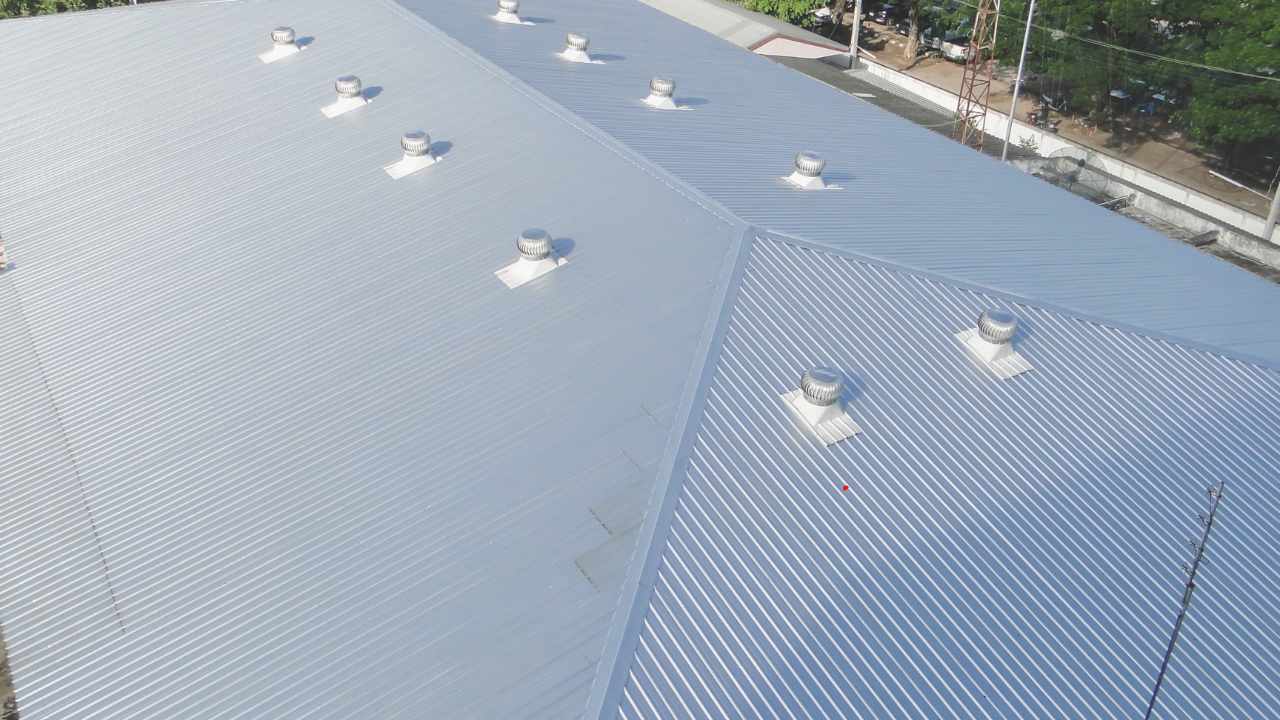
Metal roofs are built for endurance. Commercial metal roofing systems often last 40 to 60 years, making them one of the best long-term investments.
Why metal lasts so long:
Strong resistance to wind, fire, and extreme weather
Panels expand and contract with temperature changes
Reflective coatings improve energy efficiency
Potential issues:
Dents from hail or falling objects
Corrosion if coatings deteriorate
Higher upfront installation cost
If you're planning to stay in your building long-term, metal roofing offers unmatched return on investment.
Built-Up Roofing (BUR): Tough but High-Maintenance
BUR roofs—multiple layers of asphalt, felt, and gravel—have been used for decades. Expect around 20 to 30 years of service from a well-installed system.
Pros:
Thick, durable surface
Strong protection against foot traffic
Excellent fire resistance
Cons:
Heavier than other systems
Repairs can be labor-intensive
Gravel can clog drains
BUR works best for low-slope roofs that need a rugged surface.
Which Roof Lasts the Longest Overall?
Metal and EPDM lead the pack, but the right choice depends on:
Climate
Roof pitch
Budget
Building use
Desired maintenance level
A short-lived roof in ideal conditions might outperform a long-lived one that’s neglected. Lifespan is always tied closely to installation quality and consistent upkeep.
Final Thoughts
A commercial roof is a long-term investment, not a temporary fix. Knowing how long each material lasts helps you choose wisely, budget confidently, and plan ahead. If your roof is aging or showing signs of wear, now is the best time to take action.
Ready to protect your building for the long haul? Schedule a professional inspection and start planning your next step today.