How Long Should You Wait Before Walking on a New Roof?
A brand-new roof looks tough, but don’t let appearances fool you—fresh materials need time to settle, cure, and bond before anyone starts stepping on them. Many homeowners call a roofing contractor Lakeland FL based and ask the same question: “When is it actually safe to walk on my new roof?” The answer depends on the material, the weather, and how the installation was done. Even if you hired Feichtel Roofing of Lakeland for the job, giving your roof proper time to rest is one of the smartest moves you can make.
Below, we break down what to expect, how long the wait typically is, and why those extra hours or days matter.
Why Walking on a New Roof Is Risky
New roofing materials may look secure, but early foot traffic can cause:
Shingle scuffing or shifting
Sealant disruption
Damage to underlayment
Premature wear
Voided warranties
Most homeowners don’t realize how fragile fresh shingles can be until the adhesive fully activates. Asphalt shingles, for instance, need sunlight to warm the tar strip and lock them into place. Until that happens, even a single footprint can compromise the seal.
Metal, tile, and flat roofing systems each have their own vulnerabilities as well. Every roof type benefits from staying untouched until it’s ready.
How Long to Wait for Each Roofing Material
Different materials firm up at different speeds. Here’s a practical guide to help you gauge safe timing:
Asphalt Shingles
Minimum wait: 24–72 hours
These shingles rely on heat to activate the seal. Cooler weather means a longer wait. While you can technically walk on them sooner, you shouldn’t—any foot pressure before the seal cures can shift shingles out of place.
Metal Roofing
Minimum wait: 1–2 days
Metal panels are durable, but the fasteners and trim pieces need time to settle. Walking too early may warp a panel or stress a newly installed seam.
Concrete or Clay Tile
Minimum wait: 7–14 days
Tile roofs are extremely vulnerable to cracking from foot pressure. Installers use specific “walk zones” to avoid damage. Homeowners should stay off completely until the roof is cured.
Flat Roofing (TPO, EPDM, Modified Bitumen)
Minimum wait: 24–48 hours
Adhesives need time to bond. Walking too soon can create air pockets, wrinkles, or seam failure.
Weather Plays a Big Role
Even the most seasoned roofing experts will tell you that temperature and humidity matter. Warm, sunny days speed up curing. Cooler, cloudy, or damp weather can slow everything down.
Here’s how weather influences timing:
Heat: speeds up adhesive activation
Cold: delays curing
Rain: can interrupt bonding
Humidity: may slow sealant drying
If your roof was installed during a cold front or rainy season, your contractor may recommend waiting longer than usual.
When You Should Walk on Your Roof (If Ever)
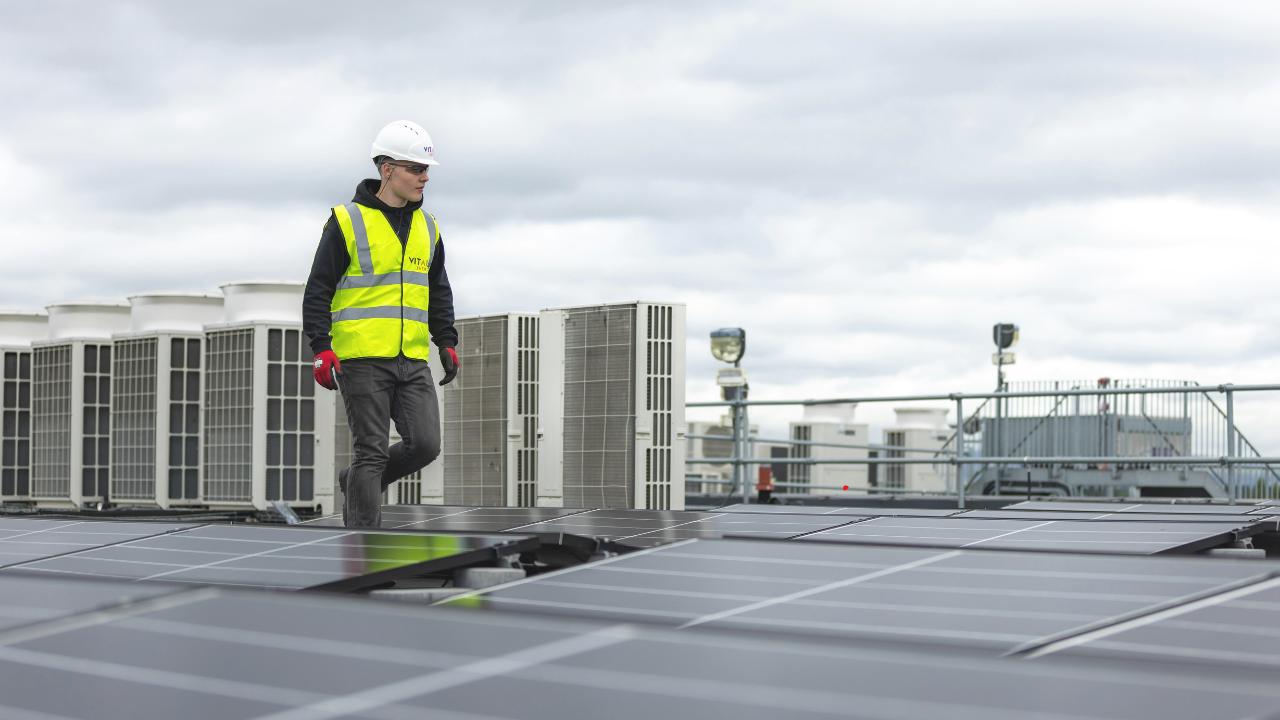
Here’s the blunt truth: most homeowners have no reason to walk on their roofs at all. It’s risky for both you and the roof. If you want to inspect something, use binoculars or a drone—or better yet, call a professional.
You should only walk on your roof if:
There’s an emergency (like clearing a branch)
Your home insurance requires photographic documentation
A contractor instructs you to access a specific area
Otherwise, stay safely on the ground. Roof repairs from accidental damage are far more expensive than a simple inspection visit.
Case Study: A Costly “Quick Check”
A Lakeland homeowner recently had their asphalt roof replaced. Curious about how it looked up close, they climbed up two days after installation. The shingles were still bonding, and their footsteps shifted several of them slightly out of alignment. A week later, wind uplift damaged those same shingles. What should’ve been a maintenance-free season turned into a repair bill—one that could’ve been avoided by waiting just 24 more hours.
The Bottom Line
Your new roof may look solid, but it still needs time to cure, settle, and bond. Rushing onto it too soon can undo the quality work you paid for. When in doubt, always ask the installers. They know your roof, your weather pattern, and your material type better than anyone.
If you want certainty, contact us to get professional guidance before stepping foot on your new roof.